
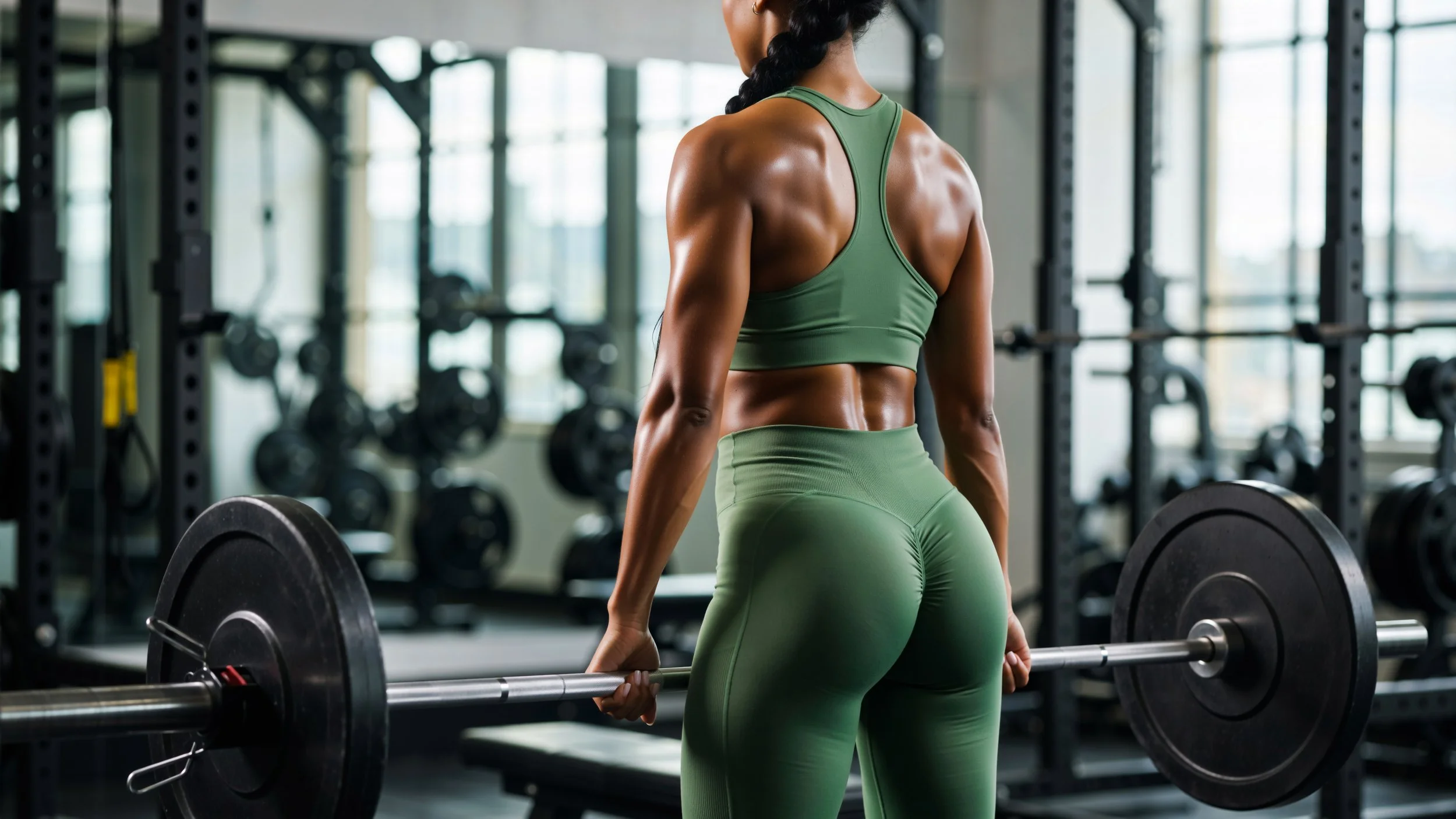
Why Your Glutes Aren’t Activating
Modern life is built around sitting. Desk jobs, long commutes, couch time — all of it keeps the hips flexed and the glutes lengthened and inactive for hours each day.
Over time, your nervous system adapts.
When the glutes stop being regularly recruited, other muscles step in:
Quadriceps
Hip flexors
Lower back
This creates altered movement patterns where your strongest muscle group — the glutes — is no longer leading lower-body movements.
So when you squat, your quads dominate.
When you lunge, your knees take the load.
When you lift, your lower back compensates.
Your body isn’t broken. It’s simply efficient at repeating what it practices most.
Signs Your Glutes Are Disengaged
You may have underactive glutes if:
You feel leg workouts mostly in your thighs
Lunges bother your knees
Your lower back gets tight after training
You rarely feel glute soreness
You struggle to “feel” your glutes at all
If this sounds familiar, the solution is not heavier weights.
It’s better activation strategy.
The Missing Link: Isometric Contraction (The Hold)
Here’s where most training programs fall short.
Read More
